Tag: coworking spaces

  • The Rise of Digital Nomads: Redefining Work and Lifestyle

    The Rise of Digital Nomads: Redefining Work and Lifestyle

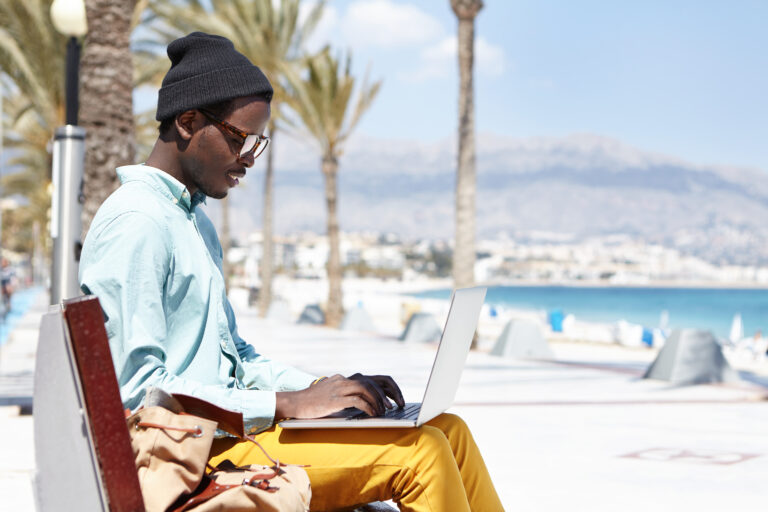
    Nomadism is far from a new concept, but the emergence of digital nomads has redefined the term. These modern wanderers combine cutting-edge technology with the freedom of remote work to create location-independent lives. From bustling cafes to serene beaches, digital nomads have unlocked the potential of living and working from virtually anywhere.

    But who exactly are these digital nomads? What makes them special? How do they sustain their unique lifestyles, and what drives their growing community? Let’s explore this transformative movement reshaping our perception of work and travel.


    Who Are Digital Nomads?

    According to Wikipedia, digital nomads are:

    “Individuals who use telecommunications technologies to earn a living and conduct their life in a nomadic manner. Such workers typically work remotely—from home, coffee shops, public libraries, and even recreational vehicles.”

    In essence, a digital nomad is a modern, tech-savvy individual who embraces location independence. This lifestyle allows them to shed traditional workplace constraints, favoring flexibility and freedom over a fixed office environment.

    A Visionary Beginning

    The concept of digital nomadism wasn’t born overnight. Media theorist Marshall McLuhan imagined a world where technology could untether people from specific locations. Later, Tsugio Makimoto and David Manners coined the term “digital nomad” in their book, envisioning a future where work transcended time and space.

    What none of these early visionaries could foresee was the internet revolution. Wi-Fi and mobile connectivity have turned those idealistic visions into a reality, allowing individuals to seamlessly work and connect from almost anywhere on Earth.


    Not All Nomads Are Alike

    Contrary to popular belief, digital nomads aren’t all globetrotting adventurers with backpacks and laptops. While some live a jet-setting lifestyle, others stay rooted in one location while maintaining flexibility in their work schedules.

    What sets digital nomads apart isn’t constant travel but freedom from traditional workplace boundaries. Whether it’s a web designer working from their home office or a photographer capturing the beauty of remote landscapes, digital nomadism is about breaking free from fixed time and place restrictions.

    Diversity in Digital Nomad Lifestyles

    The digital nomad community is incredibly diverse:

    • A stay-at-home parent running an online business.
    • A travel blogger documenting their global adventures.
    • An artist selling creations through an e-commerce platform.

    This diversity highlights the limitless possibilities created by the combination of the internet, smart devices, and mobile connectivity.


    The Social Side of Digital Nomadism

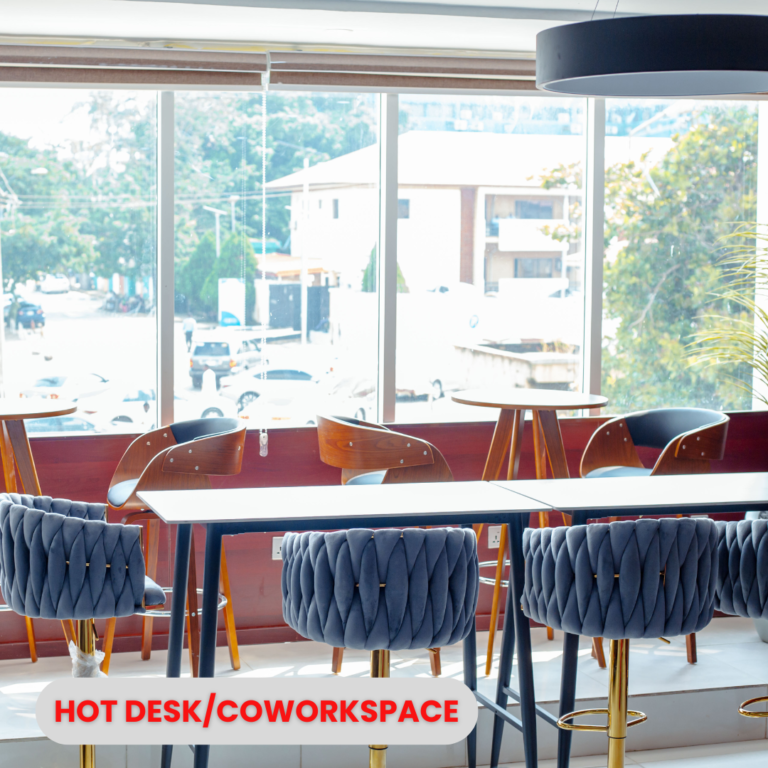
    Digital nomads thrive on community and collaboration. They connect through coworking spaces, online forums, and meetups, often forming tight-knit networks. The growth of this community is evident in resources like MeinLeben.digital, a German online magazine created for and by digital nomads.

    This platform offers:

    • Practical tips for navigating the digital nomad lifestyle.
    • Networking opportunities with like-minded individuals.
    • Access to events and insider information on maintaining a location-independent lifestyle.

    Why Is Digital Nomadism Gaining Popularity?

    Several factors contribute to the rise of digital nomadism:

    1. Technological Advancements: The internet, cloud storage, and collaboration tools like Slack and Zoom make remote work seamless.
    2. Cultural Shift: The global workforce increasingly values work-life balance and flexibility over rigid schedules.
    3. Cost-Effective Living: Digital nomads can often choose affordable destinations, reducing their overall living expenses.
    4. Adventure and Exploration: For many, the allure of experiencing new cultures and environments is a key motivator.

    Final Thoughts: The Digital Nomad Movement

    Digital nomadism represents a profound shift in how we perceive work and life. By prioritizing freedom, creativity, and flexibility, digital nomads have paved the way for a lifestyle that many only dreamed of decades ago.

    As more people join this global tribe, resources like MeinLeben.digital ensure that digital nomads have the support and community they need to thrive. With technology continuing to evolve, the future of work may very well be defined by the principles of digital nomadism.


    This movement isn’t just a trend—it’s a revolution. So, whether you’re a seasoned traveler or someone seeking to escape the cubicle life, digital nomadism offers a gateway to a freer, more fulfilling existence.

  • Coworking Spaces – A Trend or the Future of Business?

    Coworking Spaces – A Trend or the Future of Business?

    In today’s dynamic work environment, the traditional office, with its rigid walls and routine water cooler chats, is being overtaken by coworking spaces. These shared work environments offer creativity, flexibility, and connectivity, appealing to freelancers, startups, and even large companies. But is coworking just a passing trend, or does it represent the future of business?


    The Rise of Coworking Spaces

    Coworking spaces have emerged as a response to a workforce that’s becoming more independent and entrepreneurial. According to the U.S. Bureau of Labor Statistics, independent workers, including freelancers and solopreneurs, were projected to make up 40% of the workforce by 2020. This shift highlights a need for adaptable workspaces that nurture innovation and collaboration.

    Beau Button, founder of The Dojo coworking space in New Orleans, believes this evolution is inevitable:

    “No longer the exception, coworking spaces will be the rule.”

    The Dojo exemplifies the coworking model, fostering a creative hub where developers, designers, and other professionals collaborate to share ideas and solve problems.


    Benefits of Coworking Spaces

    Coworking goes beyond providing a workspace. These environments are hubs of creativity, collaboration, and growth. Unlike working from home or in coffee shops, coworking spaces foster innovation and connection, which are vital for personal and professional development.

    A study from Harvard University emphasizes the role of proximity in innovation, showing that even in the digital age, face-to-face communication fosters creativity and impactful problem-solving.

    Andrea Chen, executive director of Propeller Incubator, highlights the collaborative benefits:

    “People no longer want walls around them. They want to make connections and feel connected.”

    Propeller, a socially focused coworking space, has seen its tenants partner on projects like the award-winning app NOLAparks.com, illustrating how coworking fosters meaningful collaborations.


    Wellness and Productivity in Coworking Spaces

    Isolation is a common challenge for modern workers, whether they’re coding at home or typing away in a noisy coffee shop. Coworking spaces combat this issue by creating supportive communities that enhance productivity and wellness.

    Findings from an annual survey by Deskmag reveal the advantages:

    • 71% of coworking participants report increased creativity.
    • 62% feel their work quality improves.
    • 90% experience higher confidence levels.
    • 70% note improved health due to reduced stress and flexible work schedules.

    These benefits result from coworking’s unique environment, which minimizes the pressures of office politics while providing access to a growing professional network.


    Coworking for Corporations

    While coworking initially gained traction with freelancers and startups, large corporations like AT&T and Zappos are now leveraging these spaces. They recognize coworking as a way to foster innovation and teamwork, even within large organizations.


    The Future of Workspaces

    Coworking spaces are reshaping the business landscape. With their focus on collaboration, flexibility, and community, these spaces cater to the demands of today’s workforce. As traditional offices become outdated, coworking is positioning itself as the workplace of the future—a solution that benefits individuals and businesses alike.

    Coworking is not just a trend; it’s a transformative movement redefining how we work and thrive in a connected world.